


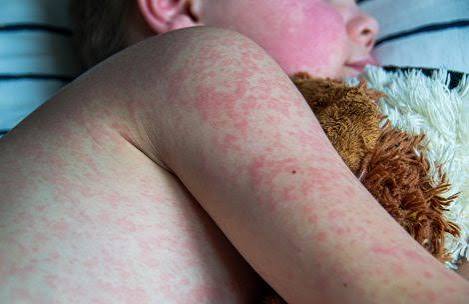
RICHMOND, Va. — Virginia is reporting 186 measles cases in 2026 as the United States loses its measles elimination status for the first time since 2000, highlighting the growing public health challenges facing the state and the country.
The Virginia Department of Health (VDH) confirmed the latest statewide case on Nov. 17, involving a preschool-age child in the Central Region. Health officials are investigating potential exposures in Farmville and Charlottesville and working to identify people who may have come into contact with the virus.
The latest case comes as international health officials announced that the United States had lost its measles elimination designation after sustained transmission continued for more than 12 months.
The Pan American Health Organization (PAHO) determined that the country no longer met the criteria for elimination, ending a 26-year period in which measles was considered eliminated as an endemic disease in the United States.
The designation does not mean measles had disappeared completely. Imported cases and occasional outbreaks continued after 2000, but public health authorities had previously been able to interrupt sustained domestic transmission.
Virginia identifies new potential exposure locations
In a Nov. 17 announcement, VDH said the newly confirmed case involved a child between zero and four years old. The department did not release additional identifying information to protect the child’s privacy.
Health officials identified several locations where members of the public may have been exposed.
They include:
– Centra Southside Community Hospital Emergency Department in Farmville:** Nov. 15 from 10 p.m. through Nov. 16 at 12:15 a.m.
– **UVA Health University Medical Center in Charlottesville:** Nov. 16 from 5:15 a.m. to 10:15 a.m., including the South Tower lobby and pediatric and adult emergency departments.
– **UVA Health University Medical Center, North Tower, floors 3–8:** Nov. 17 from 2:45 p.m. to 5:15 p.m., according to VDH’s updated exposure information.
The department said people who were at these locations during the specified periods should report their potential exposure and check their vaccination records.
People who may have been exposed should monitor for symptoms for 21 days. Anyone developing symptoms should contact a healthcare provider before visiting a medical facility so appropriate precautions can be taken.
VDH said the most likely period for symptoms among people involved in the first reported exposure investigation was Nov. 22 through Dec. 7.
Health officials emphasized that the exposure warnings apply only to the specified dates, times and locations.
Earlier outbreak in Buckingham and Cumberland counties
Virginia’s measles response has included an outbreak in Buckingham and Cumberland counties earlier this year.
VDH confirmed the Buckingham County outbreak on May 13, 2026, after identifying multiple related infections. On June 25, the department expanded the outbreak geographically to include Cumberland County.
The department formally declared the outbreak over on Aug. 18 after determining that the outbreak had ended.
VDH defines a measles outbreak as three or more related cases among people who are not members of the same household.
Although that outbreak was declared over, additional measles infections have continued to be reported in Virginia, demonstrating that ending one outbreak does not eliminate the possibility of new infections.
The department has also reported cases associated with domestic and international travel, as well as household and close-contact transmission.
Vaccination coverage remains a key factor
Despite the increase in cases, Virginia health officials say the state has relatively high childhood measles vaccination coverage.
According to VDH, approximately 95% of Virginia kindergarten students are fully vaccinated against measles.
That figure is important because public health authorities generally recommend vaccination coverage of at least 95% to maintain strong community protection and reduce the likelihood of outbreaks.
However, statewide averages can conceal differences between individual communities. Areas with lower vaccination coverage may be more vulnerable when the virus is introduced.
The measles, mumps and rubella (MMR) vaccine is the primary protection against measles. Two doses provide approximately 97% protection against infection.
VDH says most Virginians have immunity through vaccination, which helps keep the overall risk to the public low. However, infants too young to receive routine vaccination and people who are not fully vaccinated remain more vulnerable.
Health officials prepare for holiday travel
In a Nov. 13 letter to healthcare providers, Virginia State Health Commissioner Dr. B. Cameron Webb warned that increased holiday travel could contribute to additional measles infections.
The department reported 185 Virginia cases as of Nov. 12 and noted that six recently reported infections involved Charlotte County in the Piedmont Health District and Augusta County in the Central Shenandoah Health District.
VDH said travelers visiting areas with active measles transmission could bring infections back to Virginia, potentially exposing family members and other community members.
The department urged healthcare providers to:
– Ensure children and adults are current on recommended measles vaccinations.
– Discuss vaccination with patients planning domestic or international travel to areas experiencing outbreaks.
– Consider early vaccination for eligible infants traveling to outbreak areas.
– Recognize possible measles symptoms and promptly report suspected cases to local health departments.
– Review vaccination status among healthcare workers and strengthen facility preparedness.
The department also advised that travelers complete recommended MMR vaccination at least two weeks before departure when possible.
National measles cases continue to rise
Virginia’s increase in cases comes amid a broader national resurgence.
The Centers for Disease Control and Prevention reported 5,412 confirmed measles cases nationwide as of Nov. 12, 2026, with approximately 96% associated with outbreaks.
The CDC’s state-level data listed 184 Virginia cases for the same reporting date, while VDH reported 185. The agencies use different reporting and case-date methodologies, so their figures may not match exactly.
Pennsylvania, South Carolina, Utah and Texas were among the states reporting substantial measles activity.
PAHO’s decision followed an independent review of transmission across the Americas. The organization also announced that Mexico and Bolivia had lost their elimination status.
What the loss of elimination status means for Virginia
The United States’ loss of measles elimination status does not mean Virginia has lost its vaccination protections or that every resident faces an immediate threat.
It does mean that sustained transmission has become established again nationally, increasing the importance of vaccination, disease surveillance and rapid responses to new cases.
For Virginia, the immediate priorities include containing newly identified infections, investigating potential exposure locations and maintaining vaccination coverage across communities.
VDH continues to update its measles case information and public exposure alerts as investigations develop.
The department’s latest information is available through its official measles response page.
As holiday travel approaches, state health officials are encouraging Virginians to review their vaccination records and take precautions when traveling to areas experiencing active outbreaks.
