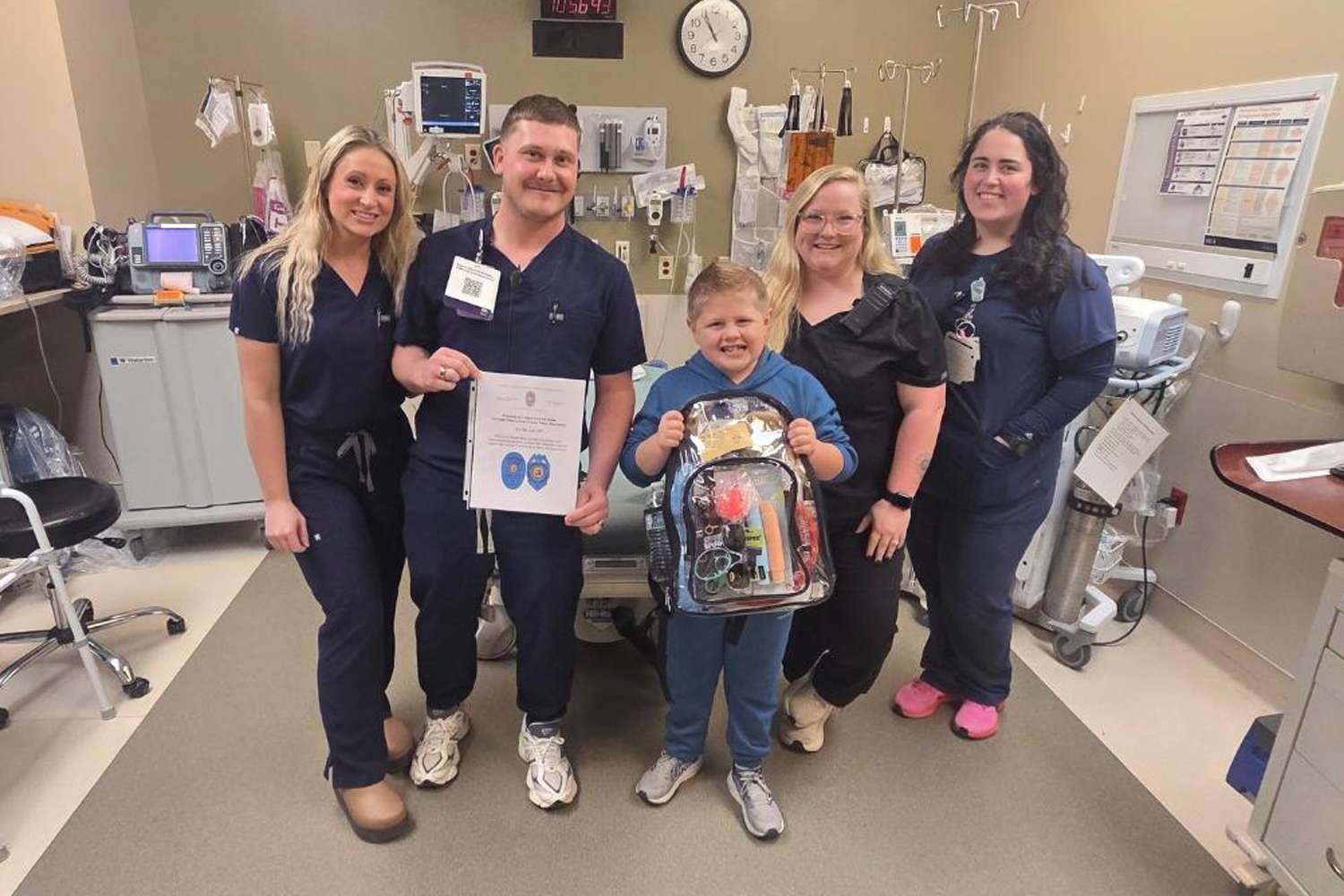


DINWIDDIE COUNTY, Va. — A nine-year-old boy from Dinwiddie County is receiving national recognition for an idea that is helping police officers, firefighters, and paramedics better support children with autism during emergencies.
Ledger Mann has been named ** TIME’s 2026 Kid of the Year ** for creating LGM Bags — clear backpacks filled with sensory-friendly items and communication tools designed to help children feel safer during frightening or overwhelming situations.
The project grew out of an experience involving Ledger’s father, Prince George County Police Sgt. JT Mann, who responded to a search for a missing child with autism.
The child was eventually found safe inside a storage cabinet beneath a gas grill on the back deck of his home. Sgt. Mann used a video on his phone to help draw the child out.
When he returned home, he discussed the incident with Ledger, who is also autistic. The conversation prompted the boy to consider what might help a child like him feel more comfortable when encountering first responders.
Ledger suggested filling clear backpacks with items such as stuffed animals, blankets, fidget toys, sunglasses, and headphones. The kits also include communication tools, including dry-erase boards and markers, that can help children who do not communicate verbally express their needs.
The clear bags are intentional: children can see the available items and point to what they want rather than having to explain it.
Ledger put about $100 from his savings toward the first kits. His parents, older brother Peyton, community organizations, churches, and first-responder groups later helped fund and assemble additional bags.
The family has since distributed hundreds of kits across several states. Recent reports put the total at more than 475, although earlier accounts cited lower figures as the program expanded.
First responders see practical benefits
The initiative has also gained support from emergency personnel in Henrico County, where the bags are being used by firefighters, paramedics, and police officers.
Henrico firefighter Courtney Koppelman helped bring the program to the county. She said the effort has personal meaning because she grew up with a brother who had spina bifida and a learning disability.
Koppelman said people with disabilities are not always met with the understanding they need, and she sees the bags as a way to help patients feel heard, safe, and supported.
She also pointed to the challenges of emergency scenes, particularly inside ambulances, where engine noise, medical monitors, and unfamiliar surroundings can be overwhelming. Noise-canceling headphones, she said, can make the experience more comfortable.
Koppelman said the sensory tools may also benefit older patients with dementia and adults experiencing severe anxiety or trauma.
Henrico medical officials have also backed the program. Dr. Anjali Ferguson, the county’s medical director, said the bags help address a gap between hospital care and treatment in the field.
Hospitals can provide child-life specialists, toys, and other distractions to help young patients through stressful situations. Those resources are not generally available to first responders at an emergency scene, she said.
Ferguson said the bags can do more than provide comfort: They can help emergency personnel communicate with patients and deliver medical care more safely and efficiently.
Henrico has placed donated bags on frontline ambulances, EMS captain vehicles, and with police crisis intervention officers.
Community support helps the project grow
Ledger’s family initially supplied the bags to local police and fire stations. As more agencies expressed interest, community organizations and volunteers helped pay for supplies and prepare additional kits.
The family has worked to place bags at convenient locations, so nearby responders can access them without having to return to their own stations.
Children can keep any item they choose from a bag. First responders retain the backpack and replace the supplies that have been used.
The project has also attracted attention beyond Virginia. Earlier coverage by local media drew widespread attention online, with thousands of people offering encouragement and support, according to WTVR.
TIME’s profile describes how Ledger helps organize and pack the bags, carefully checking that each one is complete and that its contents are visible and accessible.
His parents have also been working to establish the project as a nonprofit so it can continue reaching more emergency departments and communities.
Ledger has made clear that he wants the effort to grow beyond Virginia. In comments reported by TIME, he said he hopes the bags will reach communities across the country.
For his father, the recognition carries a broader message about what children with autism can accomplish. Ledger’s idea, which began with a conversation at home and money from his piggy bank, has developed into a program used by emergency responders in multiple states.
The TIME recognition is expected to bring further attention to the project. Ledger is also scheduled to appear in the magazine’s Nov. 23 issue, which is due on newsstands Nov. 13.
The bags do not replace medical care or specialized training, but their growing use reflects an effort by first responders to make emergency encounters more accessible to children and others who may struggle with noise, unfamiliar surroundings or communication under stress.
Virginia 9-year-old named TIME’s Kid of the Year for creating emergency autism kit