

By: Maria-Paula
The fight over Flock safety surveillance cameras is escalating across Virginia, with communities removing or reconsidering the technology as residents and elected officials question how much information the government should collect on vehicle movement.
The latest move came in Arlington County, where the County Board voted on Sept. 15 to discontinue its use of Flock technology and begin removing all 41 county-leased devices, including 26 license-plate readers and 15 pan-tilt-zoom cameras. According to a report by the county officials, the decision reflected concerns raised by residents. They also said that no misuse of the technology had been reported in Arlington.
The Arlington decision comes amid a broader Virginia backlash.
The reporting indicated that at least 20 Virginia localities have stepped back from using Flock technology, while Fairfax County has paused new installations as it reviews privacy concerns.
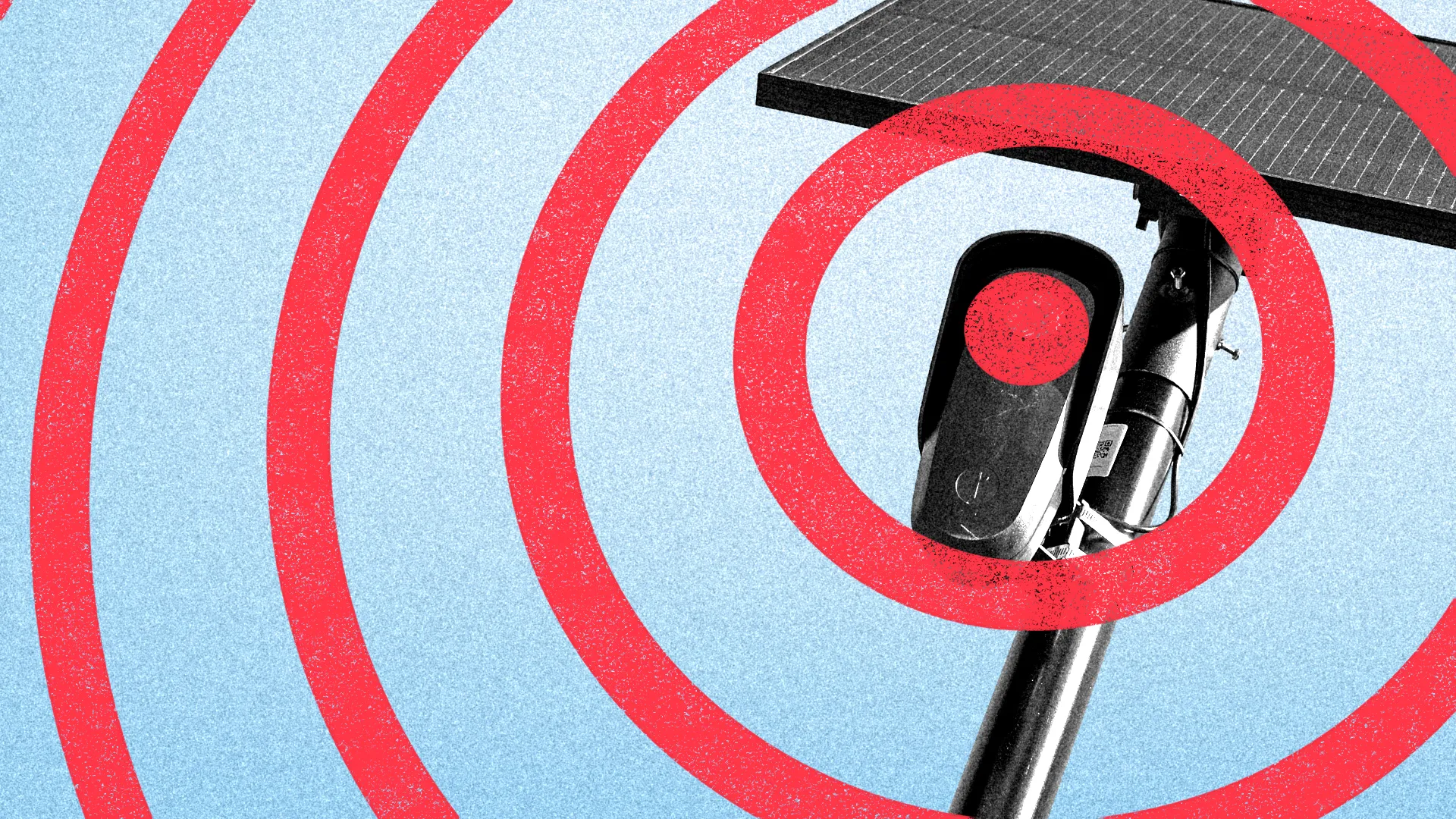
Flock cameras automatically capture license plates and other vehicle characteristics, allowing law enforcement to search for vehicles connected to investigations. Police departments say the systems can help locate stolen vehicles, missing people and criminal suspects.
Critics argue that the technology can also create detailed records of where people travel, raising concerns about mass surveillance, data sharing and potential misuse of the information collected.
At the Virginia General Assembly, lawmakers from both parties are pushing for tighter restrictions. Democratic Senator Lashrecse Aird and Republican Senator Glen Sturtevant have called for stronger action. Aird proposed legislation that would ban Flock cameras and other automated license-plate reader systems statewide.
Governor Abigail Spanberger has taken a different position by opposing an outright ban while expressing openness to additional safety and privacy measures. Spanberger pointed to the technology’s potential role in solving crimes and locating missing or abducted persons.
Law enforcement officials have also defended the cameras, arguing that they provide investigators with information that can otherwise be difficult to obtain.
Fairfax County police, for example, have emphasized oversight and auditing of searches and said the department does not share its ALPR data with federal authorities, including Immigration and Customs Enforcement.
The state of Virginia already has restrictions governing automated license-plate reader data, including limits on retention and sharing. Critics on the other hand contend that safeguards do not resolve the fundamental concern over government-created records of people’s movements.
As Virginia’s debate is unfolding Florida takes a more sweeping step against license-plate readers on state roads.
The Florida Department of Transportation announced Sep. 1 that permits for license-plate readers on state highway rights-of-way would be revoked and that new permits would no longer be issued. The department cited reports of misuse, data-privacy concerns and surveillance schemes.
Florida Gov. Ron DeSantis has described the rapid expansion of the technology as excessive and warned of the possibility of creating a “surveillance state.” The Florida action applies to state highway rights-of-way and does not eliminate every locally operated Flock system in the state.
The Florida decision is notable because law enforcement agencies in the state had previously received funding for automated license-plate readers. Reporting by the News Service of Florida found that DeSantis had approved about $4.6 million in requests from local agencies for the technology during the previous year before the state moved to restrict its use on state roads.
The developments in Virginia and Florida reflect a broader national debate over the balance between public safety and privacy.
Supporters say Flock cameras have become valuable investigative tools. Opponents argue that the ability to reconstruct vehicle movements raises civil-liberties questions even when the technology is not being misused.
For Virginia, the issue now goes beyond whether individual cities should keep their cameras. With Arlington ending its system, Fairfax pausing new installations and bipartisan lawmakers considering statewide restrictions, the question of how or whether Virginia should regulate the technology is heading toward the 2027 legislative session.
The debate is increasingly being framed not simply as a question about Flock Safety, but about the limits of government surveillance in an era when technology can record and search the movements of millions of vehicles.
Flock camera backlash grows across Virginia as privacy debate intensifies