

HAMPTON ROADS, Va. — U.S. Sen. Mark Warner is partnering with artificial intelligence company Anthropic on a pilot program designed to help military families and veterans in Hampton Roads find childcare, employment, health care, and other local support services.
The **Military Family and Veteran Assistant** is available as a connector through Anthropic’s Claude AI platform. Users can access it with a free Claude account and describe the kind of assistance they need. The tool then uses information about local military and veterans service organizations, along with Claude’s broader knowledge base, to identify resources that may fit their circumstances.
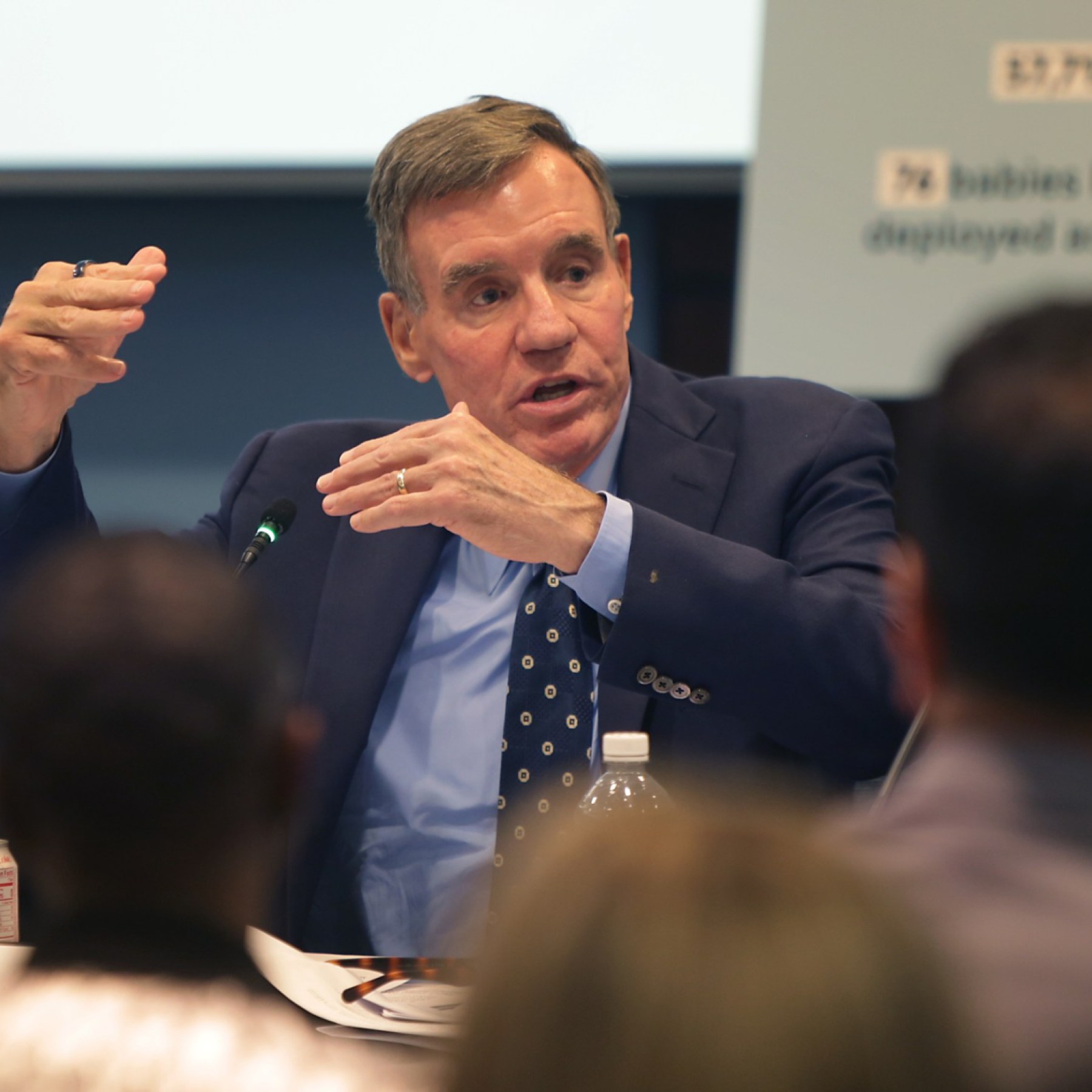
Warner announced the initiative during a return visit to Hampton Roads in October, following a June roundtable where military families described difficulties navigating benefits and services while dealing with frequent relocations, extended deployments and the demands of military life.
The pilot is currently limited to Hampton Roads, although Warner said it could eventually be expanded nationally.
The project is being developed with input from local military families and military and veterans organizations. Its goal is to make it easier for families to find relevant assistance without having to navigate multiple agencies and complicated government information on their own.
Families say navigating services can be difficult
The announcement follows concerns raised during Warner’s June meeting with military spouses and families, including those whose loved ones were deployed or had recently returned.
Among the issues discussed were affordable childcare, delays in processing childcare fee assistance, access to health and mental health care, military benefits, and workplace flexibility for spouses.
Frequent moves can also make it difficult for families to identify reliable local services and establish support networks at a new duty station.
At the October follow-up roundtable, attended by about 120 people, Warner was joined by representatives from Blue Star Families, Anthropic, the Virginia Department of Veterans Services, and the Armed Services YMCA.
Michelle Norman, founder and CEO of Partners in PROMISE, said military families often struggle to find a sense of community and identify the right resources after moving from one duty station to another. She welcomed the tool as a way to make that process easier.
Warner said the technology is intended to translate complicated government information into plain language, making available services easier to understand and access.
What the AI assistant can — and can not yet — do
The assistant allows users to describe needs such as childcare, health care, and employment support. It asks questions about a family’s circumstances before identifying nearby resources.
According to reporting by the Virginian-Pilot, it can also help users draft or send emails and create to-do lists.
Warner said he hopes future versions could go further by helping families take practical steps, such as arranging transportation to and from childcare. Those capabilities were described as future possibilities, not features currently available in the pilot.
The initiative is being led by Anthropic, which is providing the AI platform and working with local partners. Warner’s office has helped bring military families and service organizations into the effort.
Mental health questions raise concerns about the limits of AI
The launch also prompted questions about how the assistant would respond when users raise sensitive mental health concerns.
During the roundtable, two attendees asked how the tool would handle mental health needs. One specifically questioned how it would recognize when a veteran needed human assistance and connect that person with an appropriately qualified professional.
Welton Chang, Anthropic’s manager for public benefit, acknowledged that the issue needed to be addressed carefully.
Chang said the current pilot focuses on spousal employment, childcare and care for military families. He said Anthropic plans to work with its partners as the tool expands into additional areas.
The exchange highlighted an important limitation: while AI may help users locate services and navigate information, the current pilot is not being presented as a replacement for qualified mental health professionals or direct human support.
Part of a broader effort to address military family concerns
Warner said the AI project is one part of a wider effort to respond to problems military families raised during his earlier meetings.
Since the June roundtable, he has pressed the Trump administration to improve childcare fee assistance and outreach to military families. He has also called for greater workplace flexibility for military spouses employed by the federal government.
Warner is an original cosponsor of legislation that would expand employment opportunities for military spouses and allow military dependents to remain on their parents’ TRICARE health coverage until age 26.
The senator also cited a $110 million investment in childcare facilities and efforts to reduce delays in processing childcare fee assistance among the issues being addressed.
The new assistant does not resolve those underlying challenges, but its supporters say it could make existing services easier to find and navigate.
For now, the pilot remains a Hampton Roads resource. Its effectiveness will depend on the accuracy and availability of the information it provides, how well it directs families to appropriate services and whether users can successfully access the assistance they need.
Warner and Anthropic have left open the possibility of expanding the program beyond the region as the project develops.
Warner, Anthropic launch AI pilot to help Hampton Roads military families find local resources