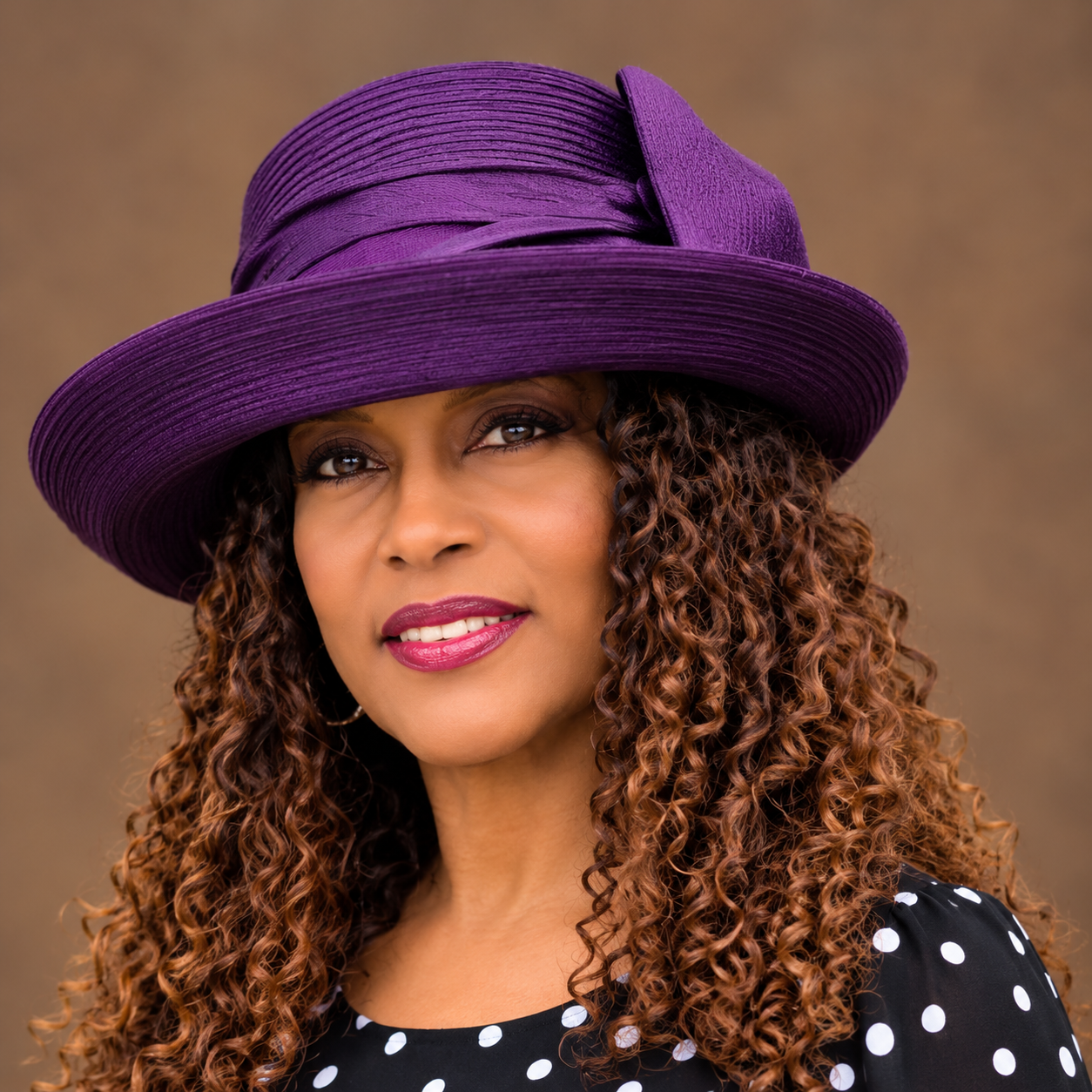


By Sharon P. Scott
Newport News, Virginia, stands at a historic crossroads as we approach the Nov. 3, 2026, election. Nearly three decades after a significant transformation in the city’s electoral system, our community once again has an opportunity to make history with the possibility of electing its first female mayor.
The story of Newport News’s electoral progress cannot be told without remembering the struggle for fair representation that shaped the 1990s. In October 1994, the U.S. Department of Justice announced an agreement requiring Newport News to change its at-large City Council election system following allegations that the existing system violated the Voting Rights Act of 1965. The agreement established a district-based approach intended to give minority voters a more meaningful opportunity to elect representatives of their choice. By May 1996, that new electoral arrangement was being implemented. The mayor continued to be elected citywide. https://www.justice.gov/archive/opa/pr/Pre_96/October94/613.txt.html U.S. Department of Justice historical announcement.
This was more than an administrative change. It represented a defining chapter in the continuing struggle for political inclusion, equal representation, and the principle that every community deserves a meaningful voice in its government.
The significance of that period extends beyond electoral boundaries. It reminds us that progress often requires citizens to challenge established practices, demand accountability, and insist that their voices be heard. The right to vote is not merely a privilege; it is a fundamental instrument through which citizens help shape their collective future.
Today, Newport News faces another important moment in its history. The possibility of electing the city’s first female ELECTED mayor in 2026 invites us to reflect on how far we have come and how much the composition of our leadership matters to the next generation. Jessie Rattley, the only female to serve as Mayor, was appointed in 1986 by her colleagues and served until 1990.
For women who have served in public office, this possibility of the First, Female, Elected Mayor represents more than a milestone. It speaks to the value of experience, perseverance, community involvement, and the opportunity to bring different perspectives to the highest level of city leadership. It also reminds our daughters and granddaughters that public service should be open to anyone prepared to serve with integrity, dedication, and a commitment to the public good.
Having served on Newport News City Council for more than 20 years, from May 2002 until December 2022, I understand that leadership is ultimately measured by service to the people. It requires listening to residents, respecting differences, managing public resources responsibly, and ensuring that citizens have confidence in their government.
Our city’s history demonstrates that meaningful change is possible when citizens participate in the democratic process. The 1996 electoral transition and the possibility of electing our first female mayor in 2026 are different chapters in that history, but both invite us to consider the importance of representation and the continuing responsibility to build a government that reflects the people it serves.
As Election Day approaches, I encourage Newport News residents to reflect on our city’s history, examine the experience and priorities of the candidates, and participate in shaping our future through the ballot box.
History is not simply something we remember. It is something we continue to make through the decisions we take, the opportunities we embrace, and the voices we choose to bring into public leadership.
The question before Newport News is not simply whether we can make history, but what kind of future we want that history to help us build.
Scott is a former Newport News City Council member and current candidate for mayor of Newport News.
From Voting Rights to Historic Possibilities: Newport News Stands at Another Crossroads