

By: Maria-Paula
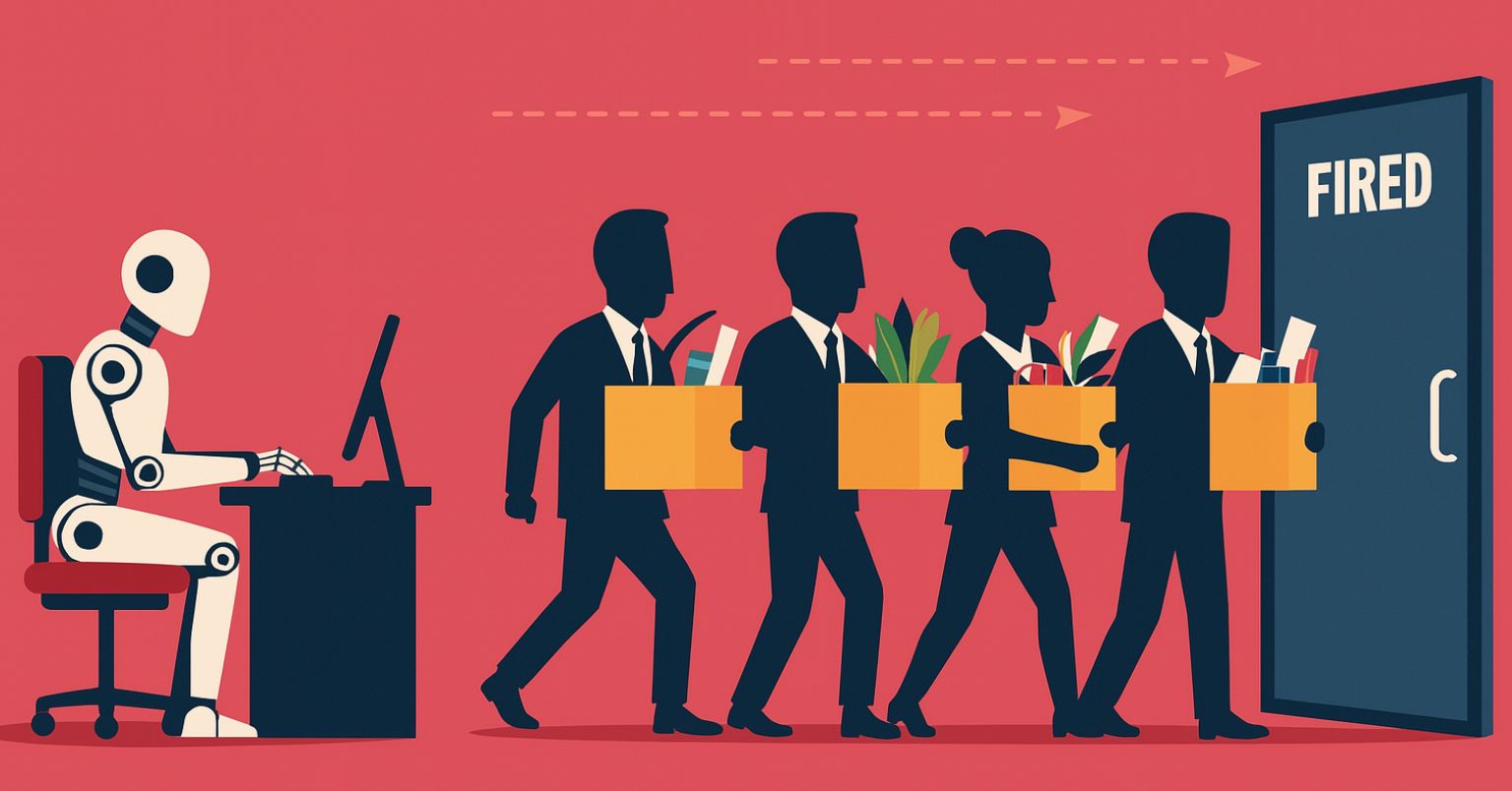
A wave of artificial intelligence adoption is reshaping corporate America, prompting a bipartisan effort in Congress to track jobs lost to automation. Sen. Mark R. Warner (D-Va.) and Sen. Josh Hawley (R-Mo.) have introduced the AI-Related Job Impacts Clarity Act, legislation that would require large companies and federal agencies to report any layoffs linked to AI to the Department of Labor.
The bill follows a series of public announcements from major companies acknowledging workforce reductions tied to automation and AI-based restructuring. Industries ranging from tech to retail are adjusting their operations to rely more heavily on automated tools and, in some cases, replacing entire departments.
In the last year, tech giants such as IBM, Dropbox, and Google signalled that certain roles, particularly back-office, customer support, and administrative positions are being scaled back as AI tools take over tasks once handled by employees. IBM publicly stated it paused hiring for thousands of jobs that could be replaced by automation. Dropbox cut roughly 500 workers as part of a shift toward AI initiatives, and Duolingo reduced contract staff responsible for content development after integrating AI into coursework production. Outside the tech industry, companies like Walmart and UPS have also adopted AI efficiencies that resulted in job cuts. Amazon is also moving aggressively into artificial intelligence, a decision that has resulted in major workforce reductions across the company. In recent months, the tech giant announced plans to eliminate thousands of corporate roles, citing AI-driven efficiency and restructuring. The cuts affect departments, including human resources, corporate operations, and the Devices & Services division.
Amazon CEO Andy Jassy said the company is shifting resources toward “generative AI and automated systems,” noting that some positions are no longer necessary, therefore redundant. “We will need fewer people doing some of the jobs performed today,” Jassy said in an internal memo.
Analysts view the companies strategies as a sign of how quickly AI is transforming the workplace. While some roles are disappearing, the organizations will continue hiring for AI engineering and robotics positions.
In some companies, workers whose roles are eliminated are being offered severance packages, internal job searches, and transition support.
Under the proposed legislation, companies would be required to submit quarterly reports detailing the number of eliminated positions and the extent to which the decision was driven by AI. The Department of Labor would compile the information and publish a public record.
“Good policy starts with good data. This bipartisan legislation will finally give us a clear picture of AI’s impact on the workforce – what jobs are being eliminated, which workers are being retrained, and where new opportunities are emerging. Armed with this information, we can make sure AI drives opportunity instead of leaving workers behind, ” said Sen. Warner.
Hawley, on the other hand, warned that the country is not prepared for such a scale of disruption. “Artificial intelligence is already replacing American workers, and experts project AI could drive unemployment up to 10-20% in the next five years,” said Sen. Hawley. “The American people need to have an accurate understanding of how AI is affecting our workforce, so we can ensure that AI works for the people, not the other way around.”
If enacted, the bill would create the first government-maintained database documenting AI’s effect on employment. Supporters say this is vital to shaping workforce programs and ensuring that technological progress does not leave American workers behind.
Warner, Hawley unveil bipartisan bill to track AI-related job losses