


Funding will support 13 initiatives, expand access to life-saving resources, and strengthen community-based substance-use treatment programs.
**HENRICO COUNTY, VIRGINIA** – Henrico County is set to receive more than $1.7 million in grant funding from the Virginia Opioid Abatement Authority (VOAA) for the 2026–27 fiscal year, marking the largest annual allocation the county has received from the authority since its grant programme began in 2023.
The funding will support 13 programs and initiatives aimed at preventing substance use and addiction, expanding access to treatment, reducing overdose-related deaths, and supporting long-term recovery.
The grants are financed through national legal settlements involving pharmaceutical manufacturers, distributors, and retailers. They are intended to help communities respond to the continuing impact of the opioid epidemic.
According to Henrico Area Mental Health & Developmental Services (MHDS) Assistant Director Leslie Stephen, the funding represents an important opportunity to expand services and reach communities that have previously faced barriers to treatment.
“It has been a game changer. We did not have funding like this prior to the Virginia Opioid Abatement Authority. We couldn’t develop new programming or get as creative as we needed to be with reaching the community,” Stephen said.
Expanding access to treatment and recovery
The Empower Henrico Task Force, a multiagency partnership coordinating the county’s response to substance-use challenges, will oversee the implementation of the funded initiatives.
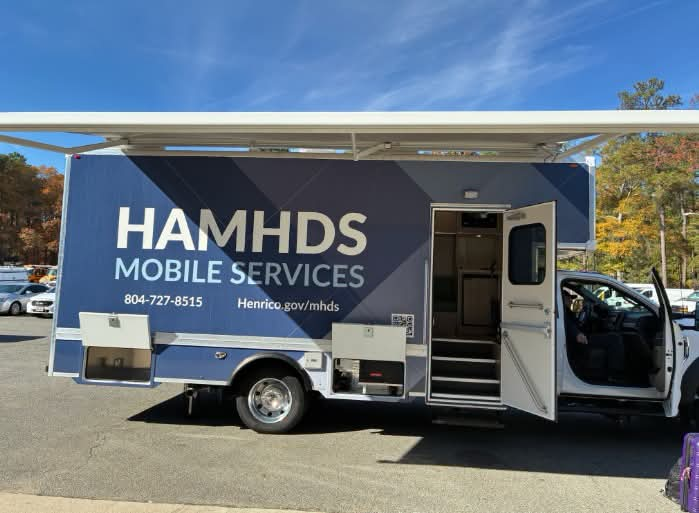
One major development will be the expansion of MHDS’s Mobile Medication-Assisted Treatment Program. For the first time, the agency will employ four full-time staff members dedicated to operating the mobile unit.
The program serves Henrico, New Kent, and Charles City counties and will bring harm-reduction supplies, naloxone and substance-use treatment services directly to communities experiencing significant challenges related to opioid addiction.
The mobile approach is intended to reduce geographical and accessibility barriers, particularly for individuals who may struggle to reach traditional healthcare facilities.
From a public health perspective, bringing treatment closer to affected communities can create more opportunities for early intervention and continuity of care.
Emergency responders to strengthen overdose intervention
The grant will also enable the Henrico Division of Fire to expand the treatment options available to people experiencing opioid overdoses.
Previously, emergency responders primarily administered naloxone to reverse the effects of opioid overdoses temporarily. Under the expanded program, eligible individuals may also receive medication-assisted treatment, including prescribed medication such as Suboxone, as part of an appropriate clinical response.
Following initial intervention, individuals will be connected to MHDS for continued treatment, counselling, and recovery support.
Stephen described the development as a significant step forward in the county’s approach to emergency response and addiction treatment.
“We’re going to do something we could only dream about five years ago,” she said. “We will be able to meet someone at the point of overdose and get them started in treatment immediately.”
For emergency responders, this initiative creates an opportunity to connect emergency intervention with longer-term healthcare services rather than treating an overdose as an isolated incident.
For individuals affected by addiction, the program offers an additional opportunity to access professional support at a critical moment.
Supporting pregnant women, children, and families
Beyond emergency intervention, the funding will support additional initiatives targeting vulnerable populations, including pregnant women experiencing substance-use disorders and their children.
The program recognises that substance-use challenges can affect entire families and that early access to appropriate healthcare, counseling, and social support can contribute to better outcomes.
Families and caregivers are also important partners in recovery. Access to information, treatment, and community support can help reduce stigma and encourage individuals to seek assistance.
Increasing community access to naloxone
Another priority is expanding access to naloxone, a medication used to reverse opioid overdoses.
Earlier in 2026, the Empower Henrico Task Force installed naloxone distribution cabinets at the Libbie Mill and Fairfield-area libraries, as well as MHDS offices.
The latest funding will support additional cabinets at Twin Hickory, Tuckahoe and Varina-area libraries and offices operated by the county’s Department of Social Services.
Nearly 600 boxes of naloxone have already been distributed to community members free of charge.
Stephen emphasised that access to naloxone should not be viewed as something relevant only to people who use drugs.
“A lot of people think, ‘Well, I don’t use drugs, so I don’t need it,’” she said. “But it could be for a grandparent who accidentally takes more medication than they’re supposed to or a child who comes across something at the park and ingests it. We all need to be good neighbors, because we never know who’s going to need it, and we could be that person who saves a life.”
This message highlights the importance of community awareness, preparedness and shared responsibility in preventing overdose-related deaths.
A shared responsibility in addressing addiction
The $1.7 million investment highlights the importance of collaboration between government agencies, healthcare professionals, emergency responders, community organisations, families and residents in addressing substance-use disorders.
While the funding provides an opportunity to strengthen prevention, treatment and recovery services, the success of the initiatives will also depend on effective implementation, community participation, accessibility and continued support for individuals after treatment.
The expansion of mobile services, emergency treatment interventions and naloxone distribution reflects a broader approach that combines immediate overdose response with prevention, healthcare access and long-term recovery.
As Henrico County moves forward with its 13 initiatives, the focus remains on ensuring that people affected by substance-use disorders can access timely assistance, receive appropriate treatment and find meaningful support throughout their recovery journeys.
