

BY JEREMY YOUNG
STAFF WRITER
RICHMOND CAPITAL NEWS SERVICE
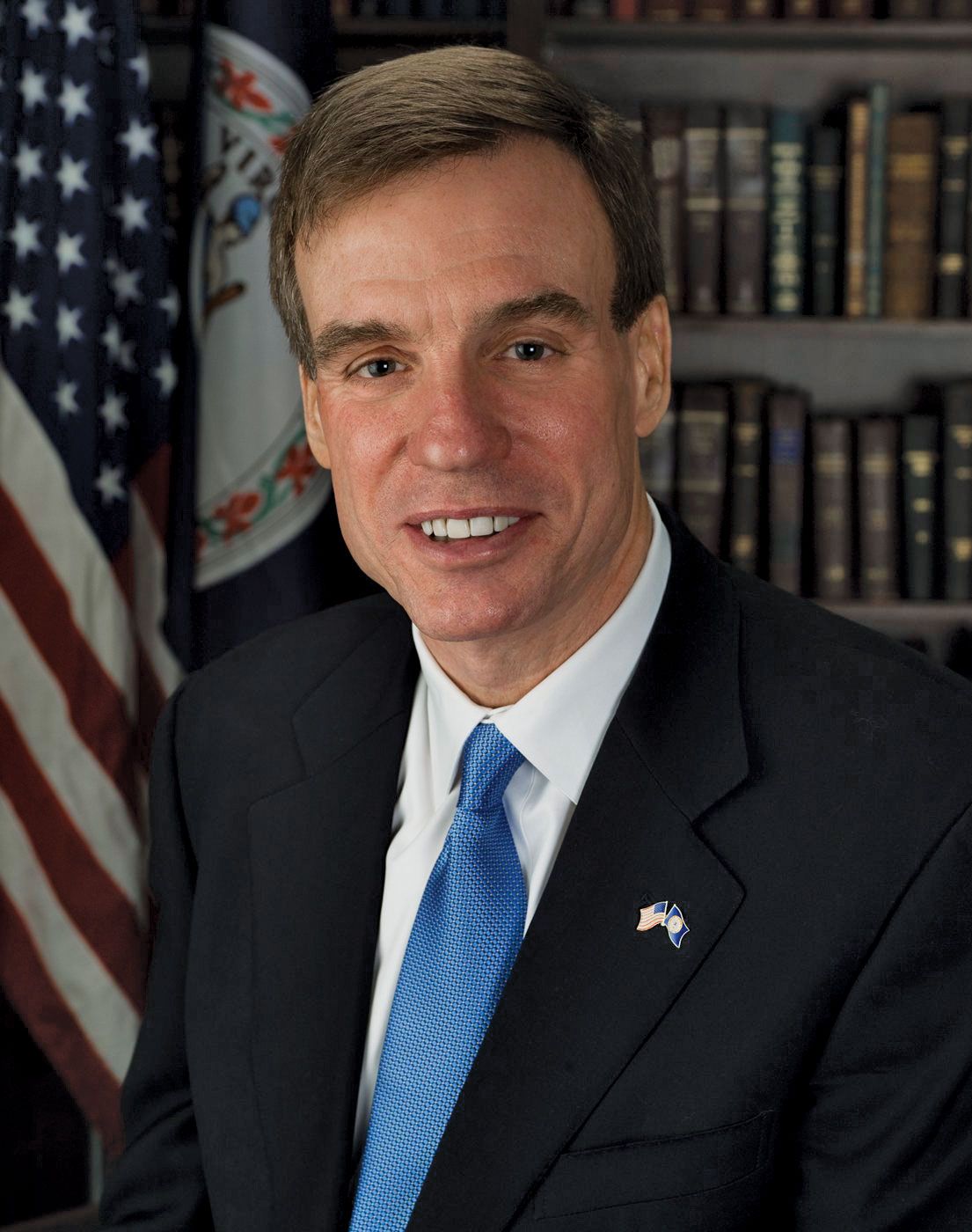
Incumbent Democratic Sen. Mark Warner cruised to victory over Republican challenger Bert Mizusawa, preserving a key seat in the Democrats’ effort to take control of the Senate.
In the lead up to Election Day, Warner was considered the heavy favorite, with State Navigate, a national polling service, projecting a 22-point win.
Warner’s win follows those of fellow Democrats Gov. Abigail Spanberger and Sen. Tim Kaine, who also won their elections by 15.4% and 8.93%, respectively, in consecutive years.
With his victory, Warner will begin his fourth term as a Virginia senator, a seat he has held since first taking office in 2009. Prior to becoming a senator, Warner served as the governor of Virginia from 2002 to 2006. Warner has stated that this will be his final term as senator.
Mizusawa, a newcomer to politics, previously served as a major general during his career in the U.S. Army from 1979 to 2015. He is also a Harvard Law School graduate and achieved the rank of three stars during his military career. After retiring from the military, Mizusawa worked in the Department of Defense and on the Senate Armed Services Committee. He previously ran for a seat in the House of Representatives in Virginia’s 2nd Congressional District in 2010, but was defeated in the Republican primary.
Warner focused his campaign on addressing rising costs of healthcare, placing guardrails on the development of artificial intelligence and enacting taxes to address wealth inequality. Warner did not face any competition in the Democratic primary.
Mizusawa ran on a platform of fiscal responsibility and working towards a balanced budget, while also pledging to protect veterans’ benefits and fighting corruption in Congress. He won the Republican primary in August with 122,000 votes, nearly doubling the nearest challenger.
The two candidates did not participate in a traditional debate despite multiple cancellations. Warner was unable to attend the face-to-face exchange due to an “unsettled and expectedly busy official Senate calendar,” according to a statement from his campaign.
Instead, the two candidates participated in a televised town hall where Warner spoke at length about data centers.
“I think there needs to be minimum federal standards,” Warner said. “If you don’t meet those standards, you don’t get what’s called bonus tax depreciation.”
Warner’s plan for data centers would include forcing data centers to supply their own power, limit their water usage, locate farther away from homes and neighborhoods and eliminate non-disclosure agreements on their deals.
Mizusawa spoke about the three Virginia constitutional amendments featured on the ballot, which were about reproductive rights, voting rights for those previously convicted of felonies and same-sex and interracial marriages.
“Any constitutional amendments should be reserved for any issues that have very broad consensus,” Mizusawa said. “If they don’t have a broad consensus and they’re still very divisive, let them be done by statute…all three of these [amendments] can be done by statute.”
The gap in the candidates was most noticeable in the amount of money their campaigns were able to raise; Warner drew in over $27,490,000 in total campaign funds, compared to Bert Mizusawa’s $1,097,000, according to the Virginia Public Access Project.
In response to his victory, Warner posted a statement on Facebook thanking voters and committing to six more years of fighting for Virginian voters.
Warner cruises to win his 4th Senate term