

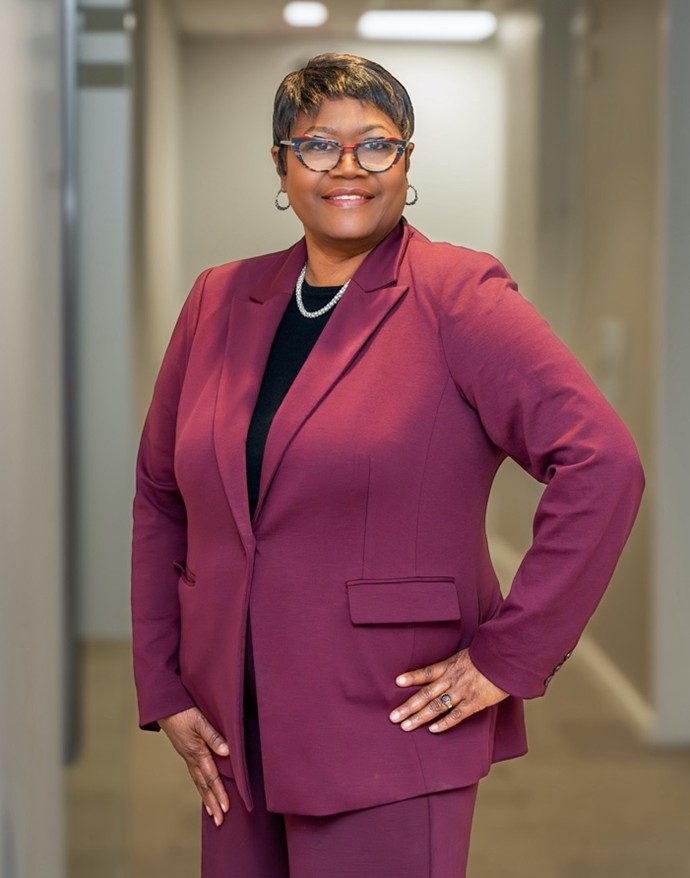
Melanie L. Campbell, President & CEO of the National Coalition on Black Civic Participation (NCBCP) and National Convener of the Black Women’s Roundtable (BWR)
By: Maria-Paula
A recent virtual media briefing to commemorate Black Women’s Equal Pay Day focused on the economic difficulties faced by Black women, including wage inequality, increasing living expenses, and participation in the workforce.
The Black Women’s Roundtable (BWR), in collaboration with the National Coalition on Black Civic Participation (NCBCP) and The Root, utilized the July 21 event to unveil results from the 10th Annual Power of the Sister Vote Poll.
The 2026 poll investigated how Black women are coping with the current economic landscape and the ways in which financial strains are affecting their lives, worries, and political choices.
Organizers emphasized the timeliness of the findings, highlighting that around 600,000 Black women have exited the workforce. With affordability being a significant concern for many Americans, the poll assessed how economic challenges impact Black women and their communities.
Wage disparity was a key topic during the briefing, with discussions centering on how such inequities continue to undermine the economic stability and overall well-being of Black women. The poll also shed light on the issues that influence the political priorities and civic engagement of Black women.
The session was led by Melanie L. Campbell, the president and CEO of the NCBCP and the national convener of the Black Women’s Roundtable. Irene Marion, the head of special projects at The Root, was the day’s moderator.
Panelists included Katrina Gamble, a pollster with Sojourn Strategies; Avis Jones-DeWeever, Ph.D., principal of Nouveaux Strategies; Mikhiela Sherrod, Ph.D., director of U.S. Domestic Programs at Oxfam America; and Holli Holliday, Esq., president and CEO of Sisters Lead, Sisters Vote.
The 2026 Power of the Sister Vote Poll was supported by Oxfam America and the Service Employees International Union (SEIU).
Now in its 10th year, the poll continues to emphasize the concerns, experiences, and political priorities of Black women. This year’s findings provided an in-depth examination of the economic challenges faced by Black women and how these issues are influencing their perspectives and decisions on matters that are significant to them.